
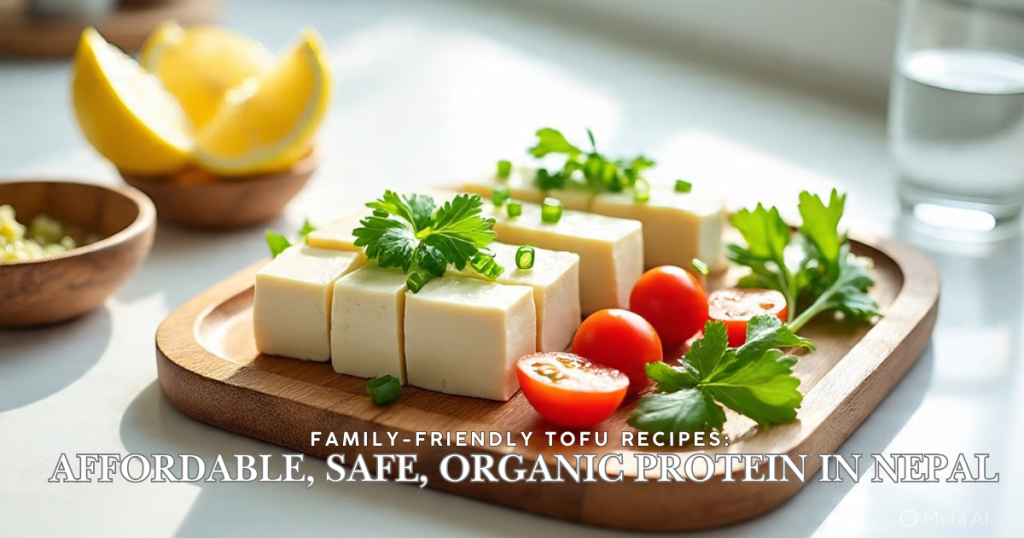
Introduction: A Healthier Choice for Families:
In today’s fast-paced Nepalese households, health and nutrition matter more than ever. Traditional dairy paneer can be heavy, high in cholesterol, and expensive. Himalaya Tofu, made from 100% organic Nepali soybeans, offers a safe, plant-based alternative to dairy, also known as soya paneer . It’s affordable, easy to cook, and perfect for families seeking wholesome meals that support heart health, digestion, and overall well-being.
Why Choose Soya paneer Over Paneer
-
Heart-Friendly: Zero cholesterol and low saturated fat.
-
Digestible & Light: Gentle on the stomach for children and elders.
-
Nutrient-Rich: High in protein, calcium, iron, and essential amino acids.
-
Affordable & Local: Supports Nepalese farmers and reduces reliance on costly dairy.
Family-Friendly Recipes with Tofu
-
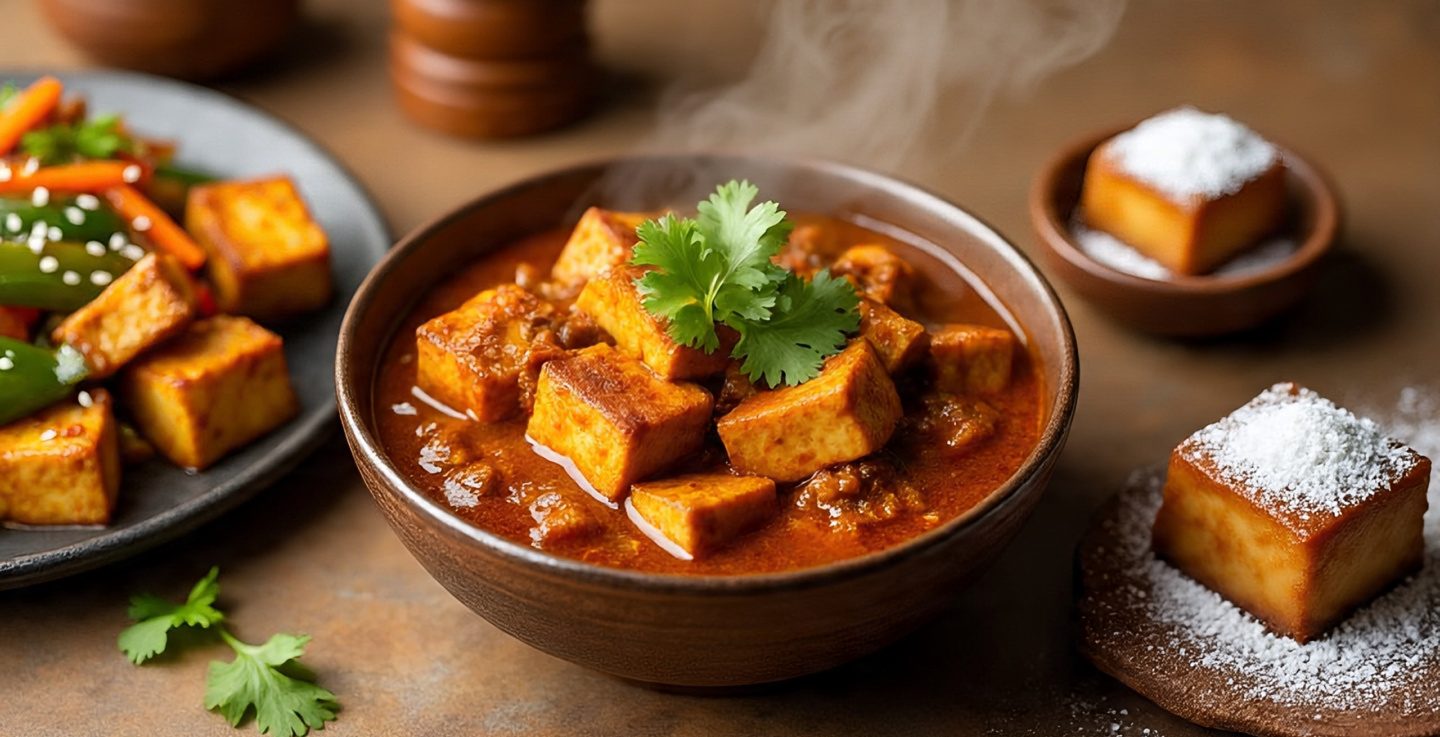
Nepali-Style Tofu Curry
-
Ingredients: Himalaya Tofu, local spices, tomatoes, garlic, onion
-
Method: Lightly pan-fry soya paneer cubes, prepare masala, simmer tofu in sauce
-
-
Tofu Vegetable Stir-Fry
-
Ingredients: Soya Paneer, seasonal vegetables, soy sauce, garlic, ginger
-
Method: Stir-fry veggies and tofu, serve with rice or quinoa
-
-
Sweet Tofu Dessert
-
Ingredients: Soya Paneer, jaggery, cardamom, coconut
-
Method: Blend Soya Paneer with jaggery, cook lightly, garnish with coconut
-
Local Stories & Testimonials
-
“Our family switched to Himalaya Tofu, and even my picky children enjoy it in curries and stir-fries. It’s affordable, safe, and nutritious!” –Hemalatha GC, Baglung
-
Highlight local farms where Nepalese soybeans are sourced.
Spiritual & Vegan Lifestyle Tips
-
Sattvic diet compatibility: Soya Paneer is light, pure, and enhances meditation and mental clarity.
-
Vegan protein solution: replaces paneer or meat in curries, smoothies, or desserts.

Why Tofu is a Superior Choice
Paneer, a dairy product made from cow or buffalo milk, is rich in protein but comes with significant health concerns. Being high in saturated fats, regular consumption of paneer can contribute to elevated cholesterol levels, heart problems, and digestive issues. On the other hand, tofu is entirely plant-based and naturally free from cholesterol, making it a heart-friendly, light, and easily digestible option.
In Nepal, many people are still unfamiliar with tofu. Most households prefer non-vegetarian meals or consume paneer occasionally. However, with increasing awareness about health, immunity, and plant-based nutrition, tofu is gaining recognition as a safer, organic alternative.

Health Benefits of Tofu (Soya Paneer)
Soya paneer is a powerhouse of nutrition. Made from pure Nepali soybeans, it is rich in proteins, essential amino acids, calcium, and iron. Here are some compelling reasons to include tofu in your daily diet:
-
- Heart Health: Soya paneer contains unsaturated fats and zero cholesterol, reducing the risk of heart disease compared to paneer and other animal-based products.
-
- Immunity Booster: Regular consumption of soya paneer helps strengthen immunity, keeping the body protected against infections and illnesses.
-
- Digestive-Friendly: Unlike paneer, which can feel heavy and difficult to digest, soya paneer is light on the stomach and easily absorbed by the body.
-
- Disease Prevention: Studies suggest that a plant-based diet rich in soy proteins may help prevent chronic diseases like diabetes, hypertension, and certain cancers.
-
- Weight Management: Low in calories and fat, soya paneer supports a healthy weight without compromising on protein intake.
The Problem with Paneer in the Market
Unfortunately, the paneer available in many markets is not as healthy as it seems. Due to commercial pressure to maximize profits, many producers compromise on quality. Adulteration, duplicate products, and chemical additives are common, making paneer not only expensive to produce but potentially harmful for consumers.
Even homemade paneer can be expensive and time-consuming to make. For many families, buying market paneer seems easier, but this comes with risks. Consumers often do not realize the potential impact on their health, prioritizing cost over safety.
This is where tofu stands out. Himalaya Tofu, made from pure Nepali soybeans, RO water, and natural coagulants like lemon or apple cider vinegar, ensures a 100% chemical-free, safe, and organic product. Unlike nigari, which is less available in Nepal, lemon and apple cider vinegar are accessible and effective coagulants, giving you high-quality tofu at home or in the market.

Tofu vs. Paneer: Affordable Nutrition Without Compromise
When it comes to choosing between tofu and paneer, one of the most remarkable advantages of soya paneer is its affordability. In Nepal, tofu is often available at nearly half the price of animal-based paneer, yet it delivers comparable, if not superior, nutritional benefits. While paneer production is inherently costly—requiring large amounts of milk, energy for processing, and careful storage—many market options are sold at low prices, often at the expense of quality, purity, and health safety.
Himalaya Tofu, made from 100% organic Nepali soybeans and natural coagulants such as lemon or apple cider vinegar, offers clean, chemical-free nutrition that supports heart health, immunity, and digestion. This means you can enjoy a protein-rich, easily digestible, and heart-friendly food at a fraction of the cost of paneer, without compromising your health. In essence, choosing tofu is not just a budget-smart decision, but a wise investment in long-term wellness, providing both safety and nourishment in every bite.
How Tofu Fits into Vegan and Spiritual Lifestyles
For vegans, spiritual practitioners, and those following mindful diets, soya paneer is a perfect choice. Being entirely plant-based, it aligns with ethical, environmental, and health principles. Many spiritual individuals prefer foods that are sattvic—pure, light, and conducive to meditation and mental clarity.Soya paneer fits perfectly in this category, offering nourishment without burdening the body or mind.
Vegans, especially those concerned about protein intake, can rely on tofu as a versatile and nutrient-rich alternative to paneer or meat. It can be used in a variety of dishes—from stir-fries and curries to smoothies and desserts—making it a practical and delicious addition to any diet.
Tofu vs. Paneer: The Key Differences
| Feature | Paneer | Tofu |
|---|---|---|
| Source | Animal milk | Plant-based (soybeans) |
| Cholesterol | High | 0% |
| Digestibility | Heavy, may cause bloating | Light, easily digestible |
| Protein | High | High (complete plant protein) |
| Health Risks | High saturated fats, heart disease | Low fat, heart-friendly, disease prevention |
| Additives Risk | Adulteration common | Minimal, 100% organic if properly made |
The comparison makes it clear: tofu is not just a substitute for paneer—it is a smarter choice for long-term health.
Tofu in Nepal: Growing Awareness
In Nepal, tofu is relatively new to the general public. Many people are unfamiliar with its taste, texture, and nutritional benefits. Initially, some may find the slight soy flavor unusual, but after 2–3 meals, the taste becomes enjoyable, and its benefits become evident.
Himalaya Tofu, produced with organic Nepali soybeans, is gaining popularity among health enthusiasts, vegans, and spiritual practitioners. With no chemicals, adulteration, or unnecessary additives, it ensures every bite is safe, nutritious, and delicious
.

How to Make the Most of Soya Paneer
If you are trying tofu for the first time, here are some tips:
-
- Start Simple: Use tofu in salads, soups, or lightly stir-fried dishes to get accustomed to the taste.
-
- Experiment with Flavors: Marinate tofu with herbs, spices, or soy sauce to enhance its natural flavor.
-
- Blend with Other Ingredients: Tofu can be used in smoothies, desserts, or creamy sauces as a dairy-free alternative.
-
- Consistency is Key: Like many plant-based foods, the benefits of tofu become more noticeable when consumed regularly.
The Himalayan Advantage
Himalaya Tofu is crafted with care, keeping health as the top priority. Using pure Nepali soybeans, RO water, and natural coagulants, it ensures every product is:
-
- 100% Organic: Free from chemicals and harmful additives.
-
- High in Protein: Supports daily protein needs, essential for muscle and tissue health.
-
- Safe and Digestible: Gentle on the stomach and easy to incorporate into any diet.
-
- Health-Focused: Regular consumption can improve heart health, boost immunity, and support overall well-being.
By choosing Himalaya Tofu, you are not just eating a healthy product—you are investing in a long-term, disease-preventive lifestyle.
Frequently Asked Questions (FAQ)
1. What is Soya Paneer or Plant-Based Paneer?
2.How is Soya Paneer different from dairy paneer?
3.Is Soya Paneer affordable?
4.How is Soya Paneer made in Nepal?
5.Is Soya Paneer good for vegans and spiritual diets?
6. What are the main health benefits of Soya Paneer?
High protein & calcium → Builds muscles, bones, and immunity
Easily digestible → Unlike dairy paneer, it feels light and comfortable
Disease prevention → Regular intake may help lower risks of diabetes, hypertension, and some cancers
Weight management → Low fat and low calorie, ideal for a balanced diet
7.Does Soya Paneer taste good?
8. Why is soya paneer safer than market paneer?
Many paneer products in the market are adulterated, chemically treated, or made with low-quality milk. Producers often cut corners for profit, risking consumer health. In contrast, Soya Paneer is chemical-free, organic, and made with care, making it the safer, healthier choice.
Conclusion:
Himalaya Tofu is more than a paneer alternative — it’s a safe, organic, affordable, and versatile plant-based protein that families in Nepal can enjoy every day. From curries to desserts, tofu nourishes your body and supports a healthy lifestyle. Switch today for a heart-friendly, digestive-friendly, and eco-conscious diet.